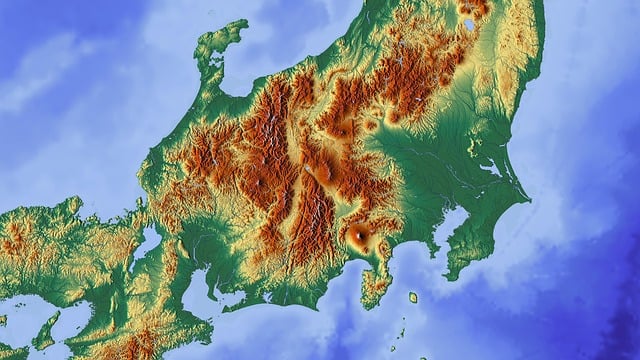
japans geography
Japan is an archipelago of over 14,000 islands...
Japan is an archipelago of over 14,000 islands in East Asia, stretching along the
Pacific coast and separated from the mainland by the Sea of Japan. The four main islands—Honshu,
Hokkaido, Shikoku, and Kyushu—comprise the majority of the landmass. Around 70-80% of Japan is
mountainous and heavily forested, with the Japanese Alps forming a spine along Honshu. The
country is highly active seismically, sitting within the Pacific "Ring of Fire," which results
in frequent earthquakes, thermal hot springs, and volcanoes, including the iconic Mount Fuji.
Due to its dangorouse mountainous terrain, the population is narrow, coastal plains offer a
buatiful site to see.
popular food in japan
Japanese cuisine, or washoku, emphasizes seasonal ingredients, artistic...
Japanese food, or washoku, emphasizes seasonal ingredients, artistic
presentation, and delicate flavors, centered on rice, miso soup, and fresh seafood. Staples
include sushi, tempura, and grilled dishes, while noodles like ramen and udon are popular,
savory alternatives. Known for being healthy and diverse, Japanese food blends traditions with
modern influences, such as curry rice and tonkatsu. Regional specialties and seasonal delicacies
play a significant role, ensuring a varied culinary experience across the country. With high
focus on high-quality ingredients, dining in Japan is both a sensory delight and a reflection of
its intresting history.
japans capital
Tokyo, the capital of Japan since 1868, is...
Tokyo has been the capital of Japan since 1868, is a vibrant city located on
Honshu island. Originally named Edo, it serves as the nation's political, economic, and cultural
center, housing the Emperor and government. The world’s most popular urban area, it blends
modern technology with its own traditions. Key districts include historic Asakusa, bustling
Shibuya, and high-tech Akihabara, connected by an extensive railway network. Modern Tokyo is
characterized by towering skyscrapers, neon lights, and the iconic Imperial Palace. even though
it rose from major disasters, it remains a bustling hub for global commerce, fashion, and
technology
japans cultural uprising
Japan's cultural history is a remarkable blend of...
Japan's cultural history is a blend of indigenous traditions and selective
adaptation of foreign influences, from the tine of prehistoric Jomon hunter-gatherers to modern
global pop culture. Early development was heavily influenced by China and Korea, bringing rice
agriculture, Buddhism, and writing, which were adapted into uniquely Japanese practices by the
Yamato court. The Heian period (794–1185) marked a golden age of artistic refinement and court
literature, followed by centuries of feudal rule dominated by samurai warriors. After over 200
years of Tokugawa-era isolation, the Meiji Restoration (1868) modernized the nation, paving the
way for a unique blend of traditional customs with fast Westernization.